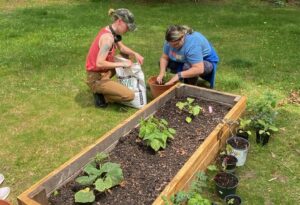


The transitional period between being a teenager and being a young adult is inevitable. Usually, that period only lasts a few years. For some young adults, it can last longer…much longer. As young men and women graduate high school or college and work towards independence, there can be barriers to adulthood. Anxiety, depression, self-confidence issues, lacking life skills and social awkwardness are just a few examples of the barriers they face. While families support their young adults as much as they can, sometimes additional help is needed. If your child is not a teenager, but also not an adult, Skyterra Young Adult can help.
Our program
Skyterra Young Adult is a wellness program that helps men and women ages 18 to 29 who struggle with one or more of the barriers listed above. Our experts also help with career and academic planning, building interpersonal relationships, the importance of physical health and nutrition, determining purpose and direction, and more! As guests work to discover their true self and launch into a fulfilling life, Skyterra teaches them the tools, resources and knowledge necessary to transition into adulthood. For young adults that have traumatic pasts and emotional baggage, our experts work one-on-one to explore identity and the freedom to live intentionally.
What it takes
Much of the transition into adulthood requires self-sufficiency and ability to apply the tools to process, manage and experience life’s complexities. Difficulties are guaranteed throughout life and Skyterra teaches young adults to be resilient and determined so that they can stand back up when life knocks them down. Through increasing confidence and aptitude, our guests discover that they have the opportunity for growth and development. Skyterra experts work with young adults to develop communication and interpersonal relationship skills that will allow them to integrate successfully into mainstream society.