


Therapy Programs for
Young Adults with Anxiety
An individualized program to help young adults overcome anxiety
Skyterra Young Adult is one of the leading programs for young adults on the East Coast. Located in the Blue Ridge Mountains of North Carolina, Skyterra helps young men and women ages 18-29 find a healthier, happier path in life. If your child’s anxiety is causing them to feel stuck and lack direction and motivation in life, Skyterra can help them.
At Skyterra, young adults find a safe space to discover new habits and life skills and learn how to overcome anxiety under the guidance of our professional team of therapists, wellness experts and nutritionists.
Anxiety In Young Adults
Anxiety disorders affect approximately 30% of young adults in the United States. The prevalence of anxiety among this age group has been steadily increasing over the years. The transition from adolescence to adulthood, along with the pressures and challenges of education, employment, relationships, and personal development, can contribute to the development or exacerbation of anxiety symptoms. Factors such as academic stress, social media use, financial concerns, and societal expectations can all contribute to the high rates of anxiety among young adults. These statistics emphasize the importance of addressing and providing support for young adults dealing with anxiety to promote their mental well-being and overall quality of life.
Support for Young Adults with Anxiety
There are various ways to support young adults who are suffering from anxiety and help them navigate their challenges. One important aspect is providing a supportive and understanding environment where they feel safe to express their feelings and concerns. Encouraging open communication and actively listening to their experiences can create a space for validation and empathy. Additionally, connecting them with mental health professionals, such as therapists or counselors, who specialize in anxiety treatment can provide targeted support and interventions. Supporting young adults in developing healthy coping mechanisms, such as relaxation techniques, mindfulness practices, and stress-management strategies, can also be beneficial. Promoting a balanced lifestyle that includes regular exercise, healthy eating, and sufficient sleep can contribute to overall well-being and better manage anxiety symptoms. Lastly, fostering a sense of social support by encouraging participation in support groups or connecting them with peer networks can create a sense of belonging and shared experiences. By employing a multifaceted approach and tailoring support to their individual needs, young adults can be empowered to overcome anxiety and thrive in their daily lives.
If a young adult is struggling to find relief from anxiety, it can be beneficial to take some time away from the stressors of daily life at a residential anxiety program, such as the one offered by Skyterra Young Adult. These programs provide a structured and immersive environment where young adults can receive specialized treatment and support. In a residential anxiety program, individuals benefit from a range of evidence-based interventions, including therapy, counseling, and skill-building activities tailored to managing anxiety. These programs offer a safe and nurturing space where young adults can learn coping mechanisms, develop healthy habits, and practice self-care. Additionally, the supportive community and peer interactions within a residential program foster a sense of belonging and understanding, which can significantly contribute to the healing process. The comprehensive nature of residential anxiety programs ensures that young adults receive holistic support, including therapy, education, physical fitness, nutrition, and mindfulness practices. Through a residential anxiety program, young adults can gain the tools, strategies, and support they need to navigate their anxiety and embark on a path towards improved mental well-being and a fulfilling life.
Table of Contents
This page aims to cover a wide range of topics on young adult anxiety, but we understand that not every section will be relevant to everyone. That’s why we encourage you to explore the table of contents and click on the links to quickly jump to the sections that catch your interest.
Resources
What are the Symptoms of Anxiety in Young Adults?
Anxiety in young adults can manifest in a variety of ways, often with a mix of physical and psychological symptoms. However, it’s important to note that the experience of anxiety can vary greatly from person to person. Some of the common symptoms of anxiety in young adults include:
- Excessive Worry: This is often the most common symptom of generalized anxiety disorder. The worry is often hard to control and can be about a wide range of things, such as personal health, work, social interactions, and everyday routine life circumstances.
- Restlessness: Young adults with anxiety may often feel restless or “on edge”. They may have a hard time sitting still or feel constantly on edge.
- Difficulty Concentrating: Anxiety can often make it difficult to focus on tasks. Young adults might find their mind going blank or have trouble keeping their attention on one thing.
- Fatigue: Despite not necessarily engaging in physical activity, individuals with anxiety may feel constantly tired.
- Irritability: This can manifest as a short temper and frustration with others.
- Sleep Problems: These can include trouble falling asleep, trouble staying asleep, or restless unsatisfying sleep.
- Panic Attacks: In some cases, young adults may experience panic attacks, which are sudden periods of intense fear that may include palpitations, pounding heart, or accelerated heart rate; sweating; trembling or shaking; sensations of shortness of breath or smothering.
- Avoidance Behavior: Anxiety might lead to avoiding situations or places that cause feelings of anxiety. For example, a young adult with social anxiety might avoid social situations for fear of being embarrassed or humiliated.
- Physical Symptoms: These can include headaches, stomachaches, and unexplained aches and pains.

What are the Causes of Anxiety in Young Adults?
Anxiety in young adults can stem from various factors, and it’s often the result of a combination of influences. Here are some common causes or contributing factors:
- Genetic and Biological Factors: Research suggests that individuals with a family history of anxiety disorders may have a higher risk of developing anxiety themselves. Additionally, certain brain chemistry imbalances and hormonal factors may contribute to anxiety symptoms.
- Environmental Factors: Stressful life events, such as academic pressures, transitions (e.g., moving to college), relationship difficulties, financial challenges, or traumatic experiences, can trigger or exacerbate anxiety in young adults. Adverse childhood experiences or a chaotic home environment may also contribute to anxiety.
- Personality Traits: Some young adults may possess personality traits that make them more prone to anxiety, such as being highly self-critical, perfectionistic, or prone to excessive worrying.
- Cognitive Factors: Negative thinking patterns, such as catastrophizing, overgeneralization, or having irrational beliefs, can fuel anxiety in young adults. Distorted perceptions of threat or danger in certain situations can also contribute to anxious responses.
- Social and Cultural Factors: Social pressures, peer expectations, societal norms, and cultural influences can contribute to anxiety in young adults. These may include the pressure to succeed, fear of judgment or rejection, or the impact of social media comparisons.
- Substance Abuse: Substance abuse, including alcohol or drug use, can worsen or trigger anxiety symptoms in young adults. Substance abuse may be used as a coping mechanism or may lead to increased anxiety through its effects on brain chemistry.
It’s important to note that everyone’s experience with anxiety is unique, and not all young adults will experience anxiety for the same reasons. If you or someone you know is struggling with anxiety, seeking professional help from a mental health provider is highly recommended to determine the specific causes and develop an appropriate treatment plan.

Anxiety Can Cause Bigger Issues for Young Adults
The transition from adolescence to adulthood is a significant period of change and growth. Young adults often face new responsibilities and expectations, such as pursuing higher education, starting a career, managing finances, and living independently. For those struggling with anxiety, these challenges can be particularly daunting and can lead to a number of issues.
- Academic Performance: Anxiety can interfere with concentration and memory, making studying and learning more difficult. Young adults may struggle to meet the demands of higher education, leading to poor academic performance and even dropping out of school.
- Career Development: Anxiety can impact a young adult’s ability to perform in job interviews, manage work-related stress, or maintain employment. They may struggle with decision-making, problem-solving, and setting career goals. This could limit their career progression and financial independence.
- Social Relationships: Anxiety, especially social anxiety, can make it difficult to establish and maintain relationships. Young adults may avoid social situations due to fear of judgment or embarrassment, leading to feelings of loneliness and isolation.
- Physical Health: Chronic anxiety can lead to physical symptoms such as headaches, stomach issues, and sleep problems. It can also lead to unhealthy coping mechanisms, such as substance abuse or overeating, which can have long-term impacts on physical health.
- Mental Health: If not effectively managed, anxiety can lead to other mental health issues such as depression, further complicating the transition into adulthood.
- Independence: Anxiety can hinder a young adult’s ability to live independently. They may struggle with tasks such as managing finances, cooking, and housekeeping, and may avoid taking on these responsibilities due to fear of failure.
- Self-Esteem and Confidence: Constant worry and fear can lead to feelings of self-doubt and low self-esteem, which can affect a young adult’s overall confidence in their abilities to navigate adult life.
It’s important to remember that help is available for young adults struggling with anxiety. Programs like Skyterra Young Adult provide a supportive environment where individuals can develop essential life skills, learn to manage their anxiety, and successfully transition into adulthood.

How Skyterra Young Adult can Help
Skyterra Young Adult is a therapeutic program designed to help young adults ages 18 to 29 who struggle with anxiety. As young adults navigate the pressures and expectations of society, they often feel overwhelmed and inadequate, leading to debilitating anxiety. Skyterra provides a safe and supportive environment for young adults to confront their anxiety triggers and develop healthy coping skills.
Through experiential learning in a new and unfamiliar environment, guests are challenged to face discomfort and anxiety head-on. They learn to pause, breathe, and reflect, identifying their strengths and working on their weaknesses. Skyterra’s trusted experts teach social skills that enable young adults to effectively advocate for themselves and reduce social anxiety.
The Skyterra Young Adult program also offers real-life skills training in self-care, fitness and nutrition, communication, life skills, goal development, time management, coping skills, and identifying needs and wants. The program aims to help young adults find their confidence and voice, develop trust, and gain direction in their lives.

Skyterra Young Adult’s Five Pillars of Wellness provide a holistic and comprehensive approach to anxiety treatment. Each pillar focuses on a specific aspect of wellness, which when combined, address the multifaceted nature of anxiety.
- Self-Care and Stress Management: This pillar focuses on cultivating a resilient mindset, a critical part of lifelong wellness. At Skyterra Young Adult, guests learn strategies for managing stress that they can incorporate into their daily lives. These strategies can help reduce the severity of anxiety symptoms and improve their ability to cope with stressors that can trigger anxiety.
- Fitness and Mobility: Regular physical activity has been shown to improve mood and reduce symptoms of anxiety. Skyterra Young Adult offers fitness classes tailored to the individual’s current level of activity, encouraging guests to find joy in movement. By improving physical strength and fitness habits, individuals may experience a decrease in anxiety symptoms.
- Culinary and Nutrition: Nutrition plays a vital role in mental health. Skyterra Young Adult promotes a natural tendency towards eating well, moving away from diet mentalities and focusing on food as a source of nourishment for the body. Improvements in diet can lead to better overall physical health, which in turn can contribute to improved mental health and reduced anxiety.
- Recreation and Adventure: Engaging in recreational activities and adventure can build confidence and resilience, two essential components in combating anxiety. Skyterra Young Adult offers opportunities for guests to challenge themselves and expand their comfort zones, which can lead to personal growth and increased self-confidence.
- Mindfulness and Yoga: Mindfulness and yoga practices can improve the mind-body connection and contribute significantly to managing anxiety. These practices can help individuals become more aware of their bodies and their emotional states, leading to improvements in emotional regulation, which is often a challenge for those with anxiety. The mindfulness and yoga practices taught at Skyterra Young Adult are designed to be accessible and beneficial for everyone, regardless of experience level.
Skyterra Young Adult’s Five Pillars of Wellness provide a comprehensive approach to anxiety treatment. By focusing on different aspects of wellness, Skyterra Young Adult addresses the various ways that anxiety can affect an individual’s life, providing tools and strategies to manage and reduce anxiety symptoms effectively
Skyterra’s professionals have more than 30 years of therapeutic program experience, specializing in the transition to adulthood. The program creates a personalized schedule for each guest to help them achieve their personal goals and needs. Skyterra aims to teach young adults the resilience and determination to stand back up when life knocks them down, ultimately cultivating self-sufficiency and freedom in processing and managing life’s complexities.
Why Skyterra is Different: We Stop Guessing and Start Measuring
If you feel like your young adult has hit a plateau with traditional weekly therapy or medication, it’s rarely because the effort isn’t there. Usually, it’s because the treatment is missing a clear biological roadmap.
At Skyterra Young Adult, we don’t replace therapy; we use Neurologics diagnostics to create a therapy roadmap by combining clinical expertise with objective data and 24/7 real-world practice
Data That Drives Better Results: Traditional mental health care often relies on what a person can describe about their own feelings. But for a young adult struggling with “failure to launch” or deep-seated anxiety, putting those feelings into words is often the hardest part. We use Neurologics™ Brain Mapping to provide our clinical team with a clear picture of what’s happening beneath the surface.
Instead of relying solely on observations, we see the actual electrical patterns in the brain. This allows our therapists to tailor their approach to your child’s specific biology—knowing exactly which areas of the brain need strengthening and which need calming. We move away from “trial and error” and toward a targeted plan that takes the pressure off your young adult.
Therapy That Doesn’t End When the Hour Is Up: A 50-minute therapy session once a week is a great start, but for many, it’s hard to carry those lessons into the “real world” of laundry, social pressure, and screen time.
- Skyterra is a living laboratory. We take the insights from our clinical sessions and apply them immediately to daily life.
- In-the-Moment Coaching: When a guest feels anxious about a social interaction or a new task, our staff is there right then to help them use their tools.
- Reinforcing New Pathways: Because our guests live here, they are practicing healthy habits 24 hours a day. We help them bridge the gap between “knowing” what to do and actually “doing” it.
A Holistic Reset in the Blue Ridge Mountains: Healing happens best when the “noise” of modern life is turned down. Our residential campus offers a safe, distraction-free environment where your young adult can finally decompress. By combining Clinical Therapy with Brain-Based Data and Life Skills Training, we create a comprehensive experience that helps young adults find their footing. They aren’t just talking about a better life—they are actively building the brain capacity and the confidence to live one.
Supportive Environment
Life at Skyterra Young Adult
At Skyterra Young Adult, guests make a difference in their lives by learning how to make healthy, enjoyable and sustainable lifestyle changes.
By living our five pillars of wellness and with the support of our professional program team, guests experience a healthier, more independent lifestyle that will carry them long after they leave our campus. In fact, after a stay at Skyterra Young Adult, guests overwhelmingly report that they feel more confident in their time management, goal setting, handling challenges and leadership skills. Here, you will find your community in a small group of like-minded young adults joining together to support each other in their growth.
What is a typical day at Skyterra Young Adult like? View A Day in the Life and a sample schedule.

Your private sanctuary for neuro-restorative growth and sustainable independence
Nestled in the healing Blue Ridge Mountains, our campus is a private sanctuary designed to remove the noise and triggers of the outside world. We maintain a strictly limited enrollment to ensure a quiet, distraction-free environment where the brain can finally decompress. This is your safe space to rest, reset, and let the neuro-engineering take hold.
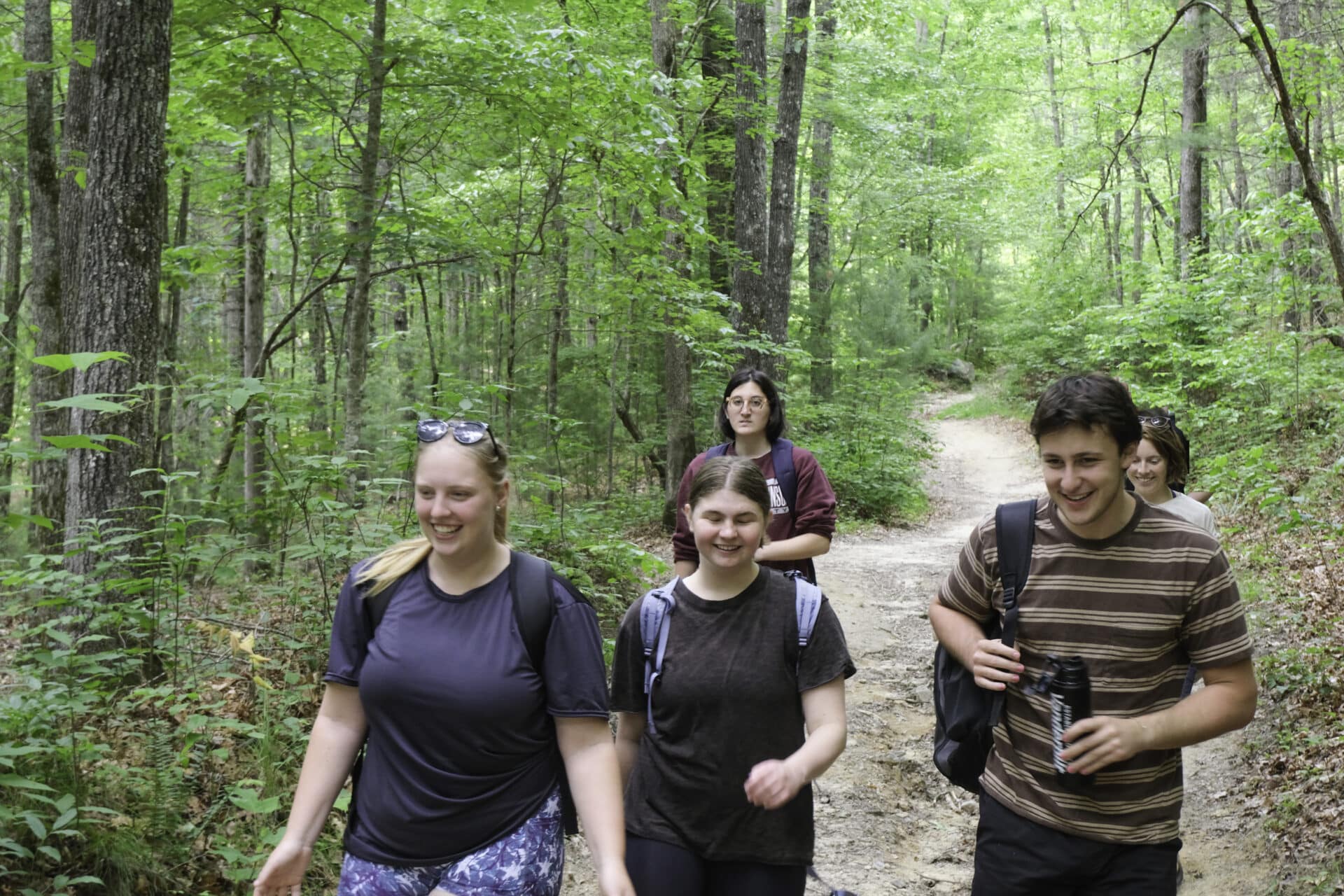
Fewer than 20 guests
You’ll benefit from our small size and receive the individual attention you deserve. Ages 18-29 welcome, and we’ll meet you where you are.

Learning to launch
Gain the skills to live independently with daily classes on fitness, culinary and life skills that will equip you to navigate adulthood successfully.

Plan for home
At Skyterra Young Adult we teach you not only how to exchange destructive habits for healthier ones, but also how to sustain your progress when you get home.
Is it finally time to put yourself first?
Anxiety can be overwhelming, but you don’t have to face it alone. At Skyterra Young Adult, we’re here to help you overcome your anxiety and live the life you deserve. Contact us today to learn more about our anxiety programs for young adults.
FREQUENTLY ASKED QUESTIONS
Clinical Answers for Families Seeking the Best Anxiety Treatment Center
Most residential anxiety treatment centers rely heavily on "talk therapy" and medication management. While therapy is essential, it often fails to address the physiological root of panic. At Skyterra, we believe anxiety is often a hardware issue, not just a thought pattern. We are the only young adult anxiety program that combines Neurologics Brain Mapping™ with immersive lifestyle regulation. We don't just teach coping skills; we identify and down-regulate the specific electrical "High-Beta" storms causing the fight-or-flight response.
Medication often acts as a blanket, numbing the nervous system without resolving the trigger. If your child is still struggling, the diagnosis might be imprecise. Many young adults labeled with "Generalized Anxiety" actually suffer from Sensory Processing Disorders or undiagnosed TBIs that medication cannot fix. As a specialized anxiety treatment center, we use QEEG data to see exactly why the brain is misfiring. This ensures we aren't just masking the symptoms, but engineering a lifestyle that calms the biological alarm system.
Yes. Social anxiety treatment for adults is often misunderstood as a confidence issue, when it is actually a sensory safety issue. If a brain cannot filter background noise or read non-verbal cues, social interaction becomes exhausting. Our program works differently than a standard outpatient therapist. By mapping the brain's connectivity, we can validate why crowds feel unsafe. We then use a "scaffolding" approach—gradually introducing social engagement in a controlled, supportive environment—to retrain the brain that connection is safe, not dangerous.
A vacation provides temporary relief; Skyterra provides a biological reset. For a nervous system stuck in sympathetic overdrive (chronic stress), a distinct break from the home environment is medically necessary. Our Gap Semester curriculum functions as a holistic anxiety treatment center, removing the triggers of daily life (screens, academic pressure, family dynamics) to lower cortisol levels. This creates the "physiological safety" required for therapy to actually take root.
This is the most common—and most mismanaged—comorbidity we see. Treating ADHD and anxiety requires precision, because the stimulants used for ADHD can often make anxiety significantly worse. Unlike general young adult anxiety programs, we use Brain Mapping to determine which condition is the primary driver. Is the anxiety caused by the inability to focus (ADHD first)? Or is the "ADHD" actually just a brain too anxious to pay attention (Anxiety first)? We distinguish the difference to ensure our protocol calms the system rather than revving it up.
Treating high-functioning anxiety or severe panic disorders often fails in an outpatient setting because the client returns to their stressful environment immediately after the session. The nervous system never gets a chance to fully come down. By choosing an inpatient anxiety treatment for young adults, you are placing them in a 24/7 regulated environment. From nutrition and sleep to somatic movement, we control the variables to force a nervous system reset, ensuring that new patterns of regulation become permanent traits.